

Humanity Is Increasingly Vulnerable to a Worst-Case Solar Storm
Every century or so, a solar event is strong enough to knock out satellites and even terrestrial power grids. Are we ready?





Every century or so, a solar event is strong enough to knock out satellites and even terrestrial power grids. Are we ready?
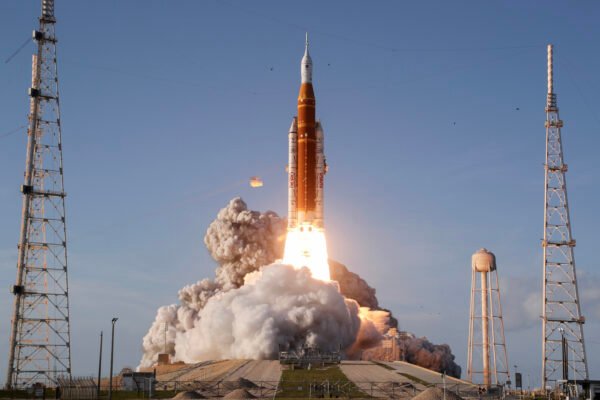
NASA’s Artemis II rocket launched from the Kennedy Space Center on Wednesday. | Photo: Joe Raedle via Getty Images On Thursday, during Artemis II’s journey to the Moon, commander Reid Wiseman ran into a tech issue some of us back on Earth can relate to: Microsoft Outlook wasn’t working. In a conversation captured in NASA’s…
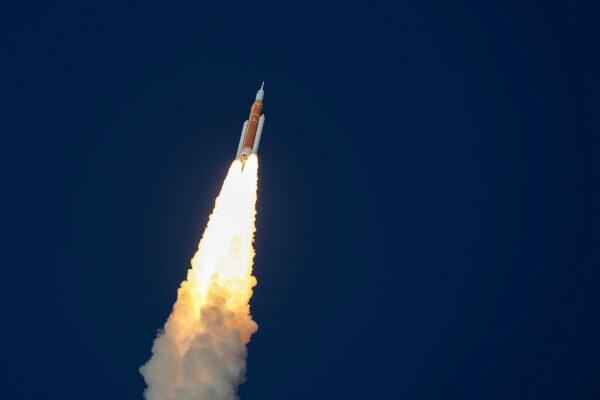
NASA’s Artemis II flight, which is set to take four astronauts toward the Moon for the first time in more than 50 years, successfully launched on Wednesday evening. The Artemis II mission, part of NASA’s Artemis program that’s intended to bring humans back onto the Moon as early as 2028, will bring the four astronauts…

New evidence suggests that the famous interstellar traveler may be so old that its home system no longer exists.

The “Xi-cc-plus” could not have been detected without years of work and concerted upgrades.

The idea uses a “starshade” to let astronomers find Earth-like exoplanets, even with existing ground-based telescopes.

Three advanced telescopes were needed for spot a galaxy made up of more than 99% dark matter.
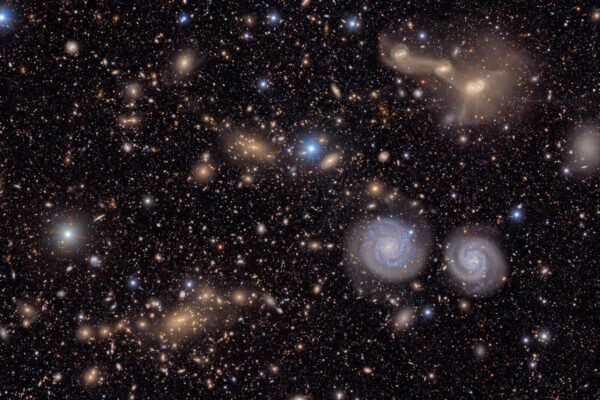
That’s coming on a little strong, maybe. | Image: Vera C. Rubin Observatory The Vera C. Rubin Observatory’s automated alert system is online and already bombarding astronomers with things to look at in the night sky. The system went live publicly on Tuesday, February 24th, and on the first night dropped some 800,000 alerts about…

The study highlights how letting rocket debris burn up in the atmosphere is not a consequence-free approach to orbital cleanup.

If true, it could dramatically change theories about the origin of water—and, by extension, life—on Earth.